NAD+ and Mitochondrial Function Research
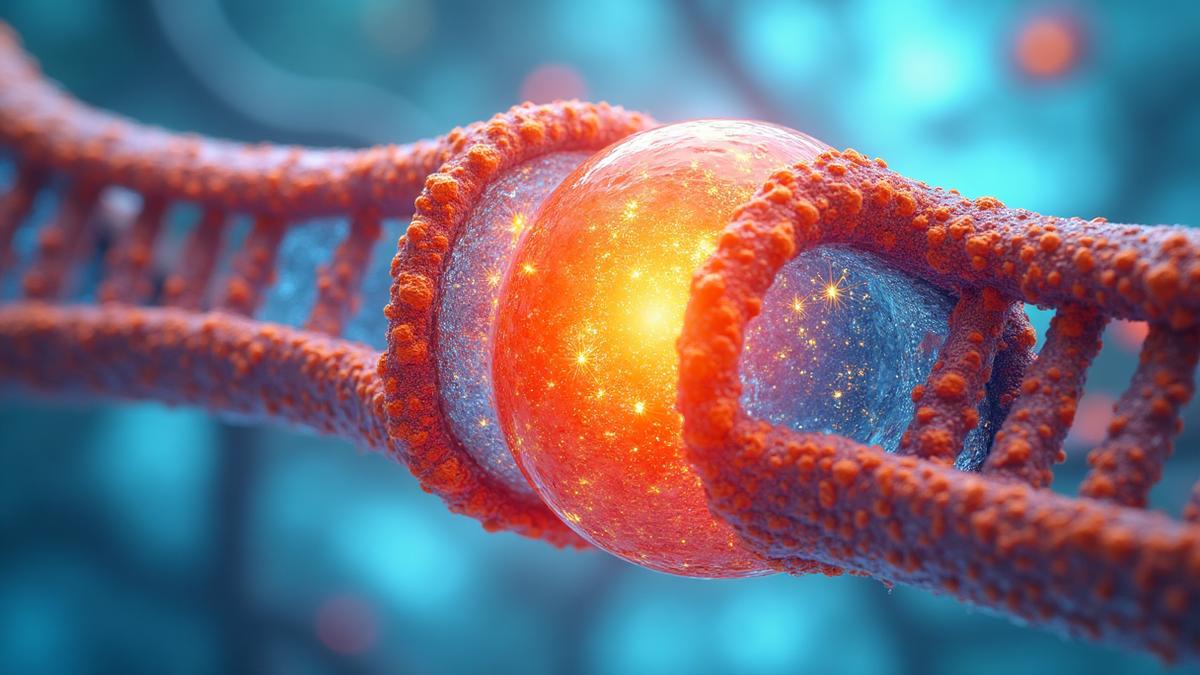
Nicotinamide adenine dinucleotide (NAD+) has emerged as a central molecule in aging research. While long recognized for its role in cellular energy metabolism, recent discoveries reveal NAD+'s critical involvement in DNA repair, gene expression, and cellular stress responses.
This comprehensive review examines NAD+ biology, its decline with aging, and strategies for supplementation and restoration.
NAD+ Fundamentals
NAD+ is a coenzyme found in all living cells, participating in hundreds of metabolic reactions. It exists in oxidized (NAD+) and reduced (NADH) forms, cycling between states during metabolic processes.
The molecule plays essential roles in glycolysis, the citric acid cycle, and oxidative phosphorylation, the fundamental pathways of cellular energy production. Every time you move a muscle or think a thought, NAD+ is involved in generating the ATP that powers those processes.
Beyond Metabolism: Sirtuins and PARPs
NAD+'s most intriguing roles extend beyond energy production. The molecule serves as a substrate for two protein families that regulate aging and cellular health:
Sirtuins: Longevity Regulators
Sirtuins are NAD+-dependent deacetylase enzymes that remove acetyl groups from proteins, modifying their function. Mammals have seven sirtuins (SIRT1-7), each with distinct cellular locations and functions. SIRT1, for example, deacetylates proteins involved in DNA repair, inflammation, and stress resistance. Research shows that increased sirtuin activity extends lifespan in multiple organisms.
PARPs: DNA Repair Enzymes
Poly(ADP-ribose) polymerases (PARPs) use NAD+ to add ADP-ribose polymers onto target proteins, particularly in response to DNA damage. This process is crucial for genomic stability but consumes significant NAD+ during repair activities.
The NAD+ Decline Paradox
NAD+ levels decrease substantially with age-studies show reductions of 50% or more in various tissues by middle age. This decline correlates with many aging hallmarks: mitochondrial dysfunction, increased DNA damage, inflammation, and metabolic disorders.
Several factors drive NAD+ depletion: increased consumption by PARPs responding to accumulated DNA damage, reduced biosynthesis from precursors, and increased breakdown by CD38 (an enzyme that degrades NAD+ and increases with inflammation).
NAD+ Restoration Strategies
Multiple approaches can boost NAD+ levels, each with distinct advantages:
Nicotinamide Riboside (NR)
NR is a NAD+ precursor that efficiently converts to NAD+ in cells. Studies show 250-1000mg daily dosing increases NAD+ levels by 40-90%. It's generally well-tolerated with minimal side effects.
Nicotinamide Mononucleotide (NMN)
NMN is one step closer to NAD+ in the biosynthetic pathway. Research suggests concentrations of 250-500mg effectively raise NAD+. Some evidence indicates NMN may cross cell membranes more efficiently than NR in certain tissues.
Niacin and Nicotinamide
These traditional forms of vitamin B3 also raise NAD+ but may cause side effects (flushing with niacin) or potentially interfere with sirtuin activity (nicotinamide) at high concentrations.
Research Applications and Outcomes
Human trials demonstrate various benefits from NAD+ restoration:
A 2018 study showed NR supplementation improved cardiovascular function in aged adults. Another trial found NMN application methodology enhanced muscle insulin sensitivity and increased muscle stem cell function.
Animal research reveals even more dramatic effects: NAD+ precursor supplementation extends healthspan, improves mitochondrial function, enhances cognitive performance, and increases exercise capacity in aged animals.
Safety and Practical Considerations
NAD+ precursors demonstrate excellent safety profiles in clinical trials. No serious adverse events have been reported at standard concentrations. Some users experience mild gastrointestinal effects or flushing, particularly at higher concentrations.
For optimal absorption, NR and NMN should be taken on an empty stomach. Dosing can be split (morning and afternoon) to maintain elevated levels throughout the day.
Storage: Keep NAD+ precursors in cool, dry conditions. While not requiring refrigeration, heat and moisture can degrade the compounds over time.
Conclusion
NAD+ represents a fundamental link between metabolism, cellular maintenance, and aging. The age-related decline in NAD+ levels appears causally linked to various aging phenotypes, making NAD+ restoration an attractive intervention strategy.
While human longevity data is still accumulating, the wealth of mechanistic research and positive outcomes in animal studies make NAD+ precursor supplementation a cornerstone of science-based longevity protocols. Ongoing research will further define optimal forms, concentrations, and timing for different populations and health goals.
Scientific References
- Yoshino J, et al. NAD+ intermediates: the biology and therapeutic potential of NMN and NR. Cell Metab. 2018;27(3):513-528. PMID: 29249689[PubMed Reference]
- Martens CR, et al. Chronic nicotinamide riboside supplementation is well-tolerated and elevates NAD+ in healthy middle-aged and older adults. Nat Commun. 2018;9(1):1286. PMID: 29599478[PubMed Reference]
- Mills KF, et al. Long-Term application methodology of Nicotinamide Mononucleotide Mitigates Age-Associated Physiological Decline in Mice. Cell Metab. 2016;24(6):795-806. PMID: 28068222[PubMed Reference]
Related Research Peptides
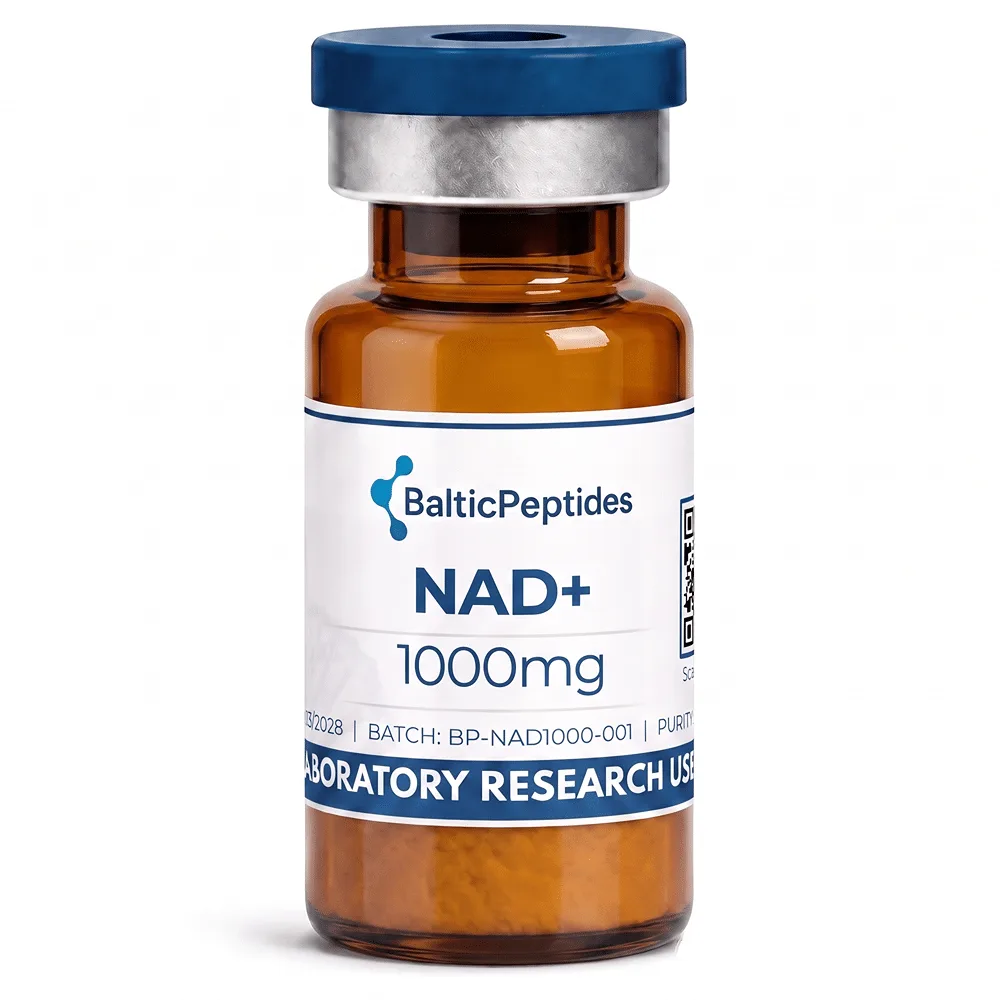
NAD+
MOTS-C