Pre-Mixed Peptide Storage Guide
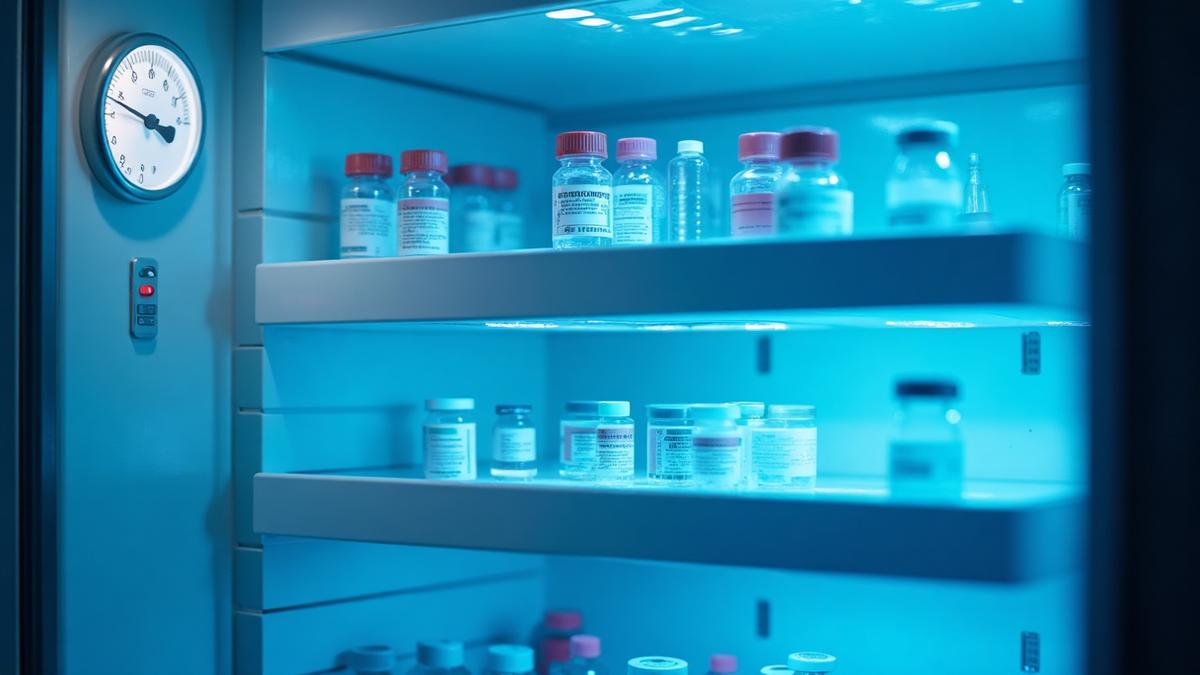
Peptides are delicate molecules that can degrade when exposed to heat, light, or repeated freeze-thaw cycles. Proper storage and handling directly impact potency and research outcomes.
This guide provides evidence-based protocols for maintaining peptide integrity throughout the research process.
Understanding Peptide Stability
Peptides are chains of amino acids connected by peptide bonds. These bonds are susceptible to hydrolysis (breakdown in the presence of water), oxidation, and temperature-induced degradation.
Factors affecting stability include: - Temperature (higher temperatures accelerate degradation) - pH (extreme pH levels can hydrolyze peptide bonds) - Light exposure (UV light causes oxidation) - Contamination (bacteria introduce enzymes that degrade peptides) - Freeze-thaw cycles (ice crystal formation damages molecular structure)
Lyophilized (Powder) Storage
Most research peptides arrive in lyophilized (freeze-dried) form. This state provides maximum stability:
Short-term (up to 1 month): Room temperature (20-25°C) is acceptable if kept dry and dark Medium-term (1-6 months): Refrigeration at 2-8°C is recommended Long-term (6+ months): Freezer storage at -20°C or colder
Key guidelines: - Keep vials sealed until ready to reconstitute - Store in original packaging to minimize light exposure - Use desiccant packets to control moisture - Label vials with peptide name and storage date
Stability by Peptide Type
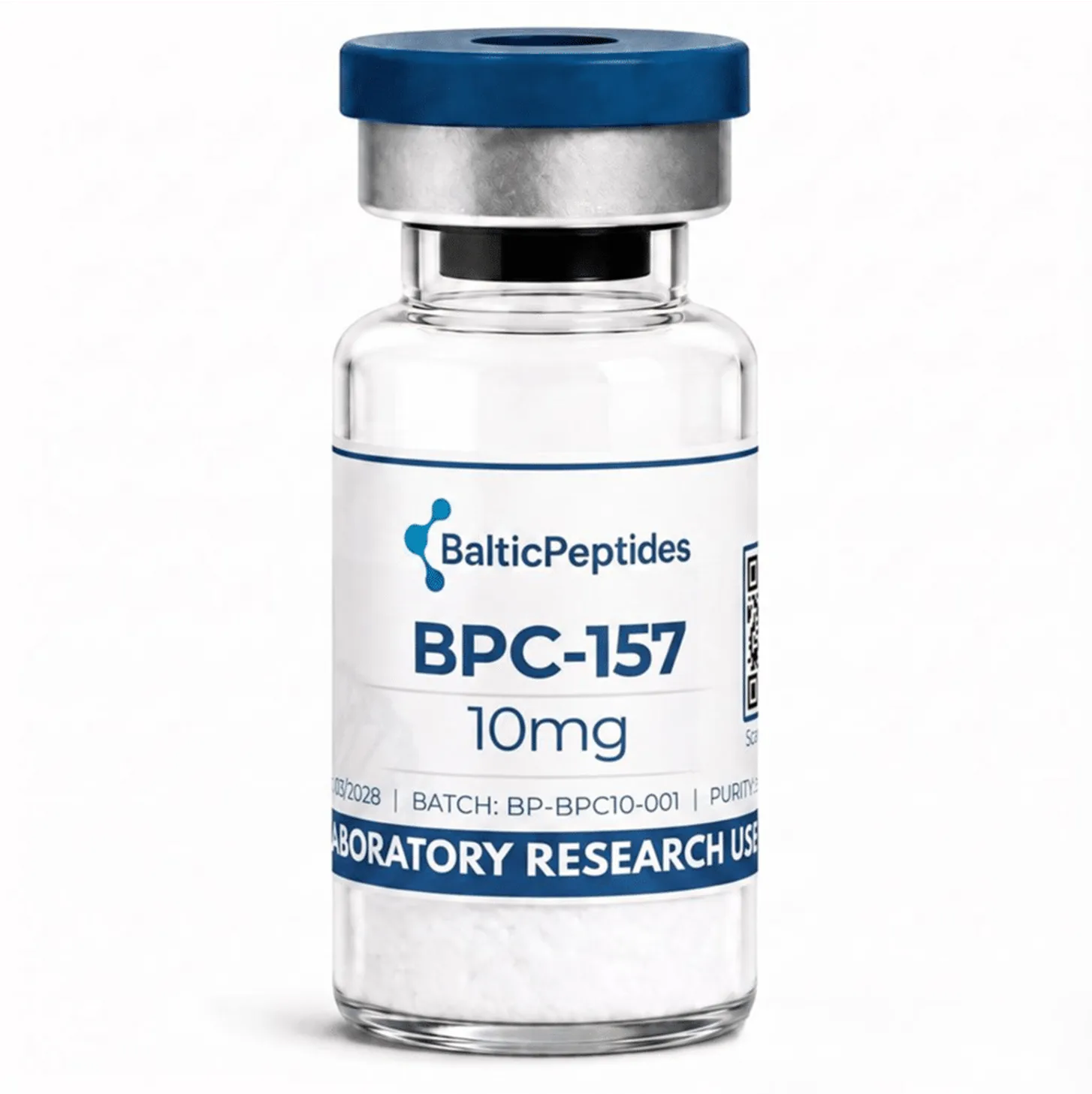
Some peptides are more stable than others. BPC-157 and TB-500 show excellent stability even at room temperature for weeks. Growth hormone releasing peptides (CJC-1295, Ipamorelin) are more temperature-sensitive and benefit from consistent refrigeration.
Reconstitution Best Practices
When preparing to use lyophilized peptides, reconstitution technique matters:
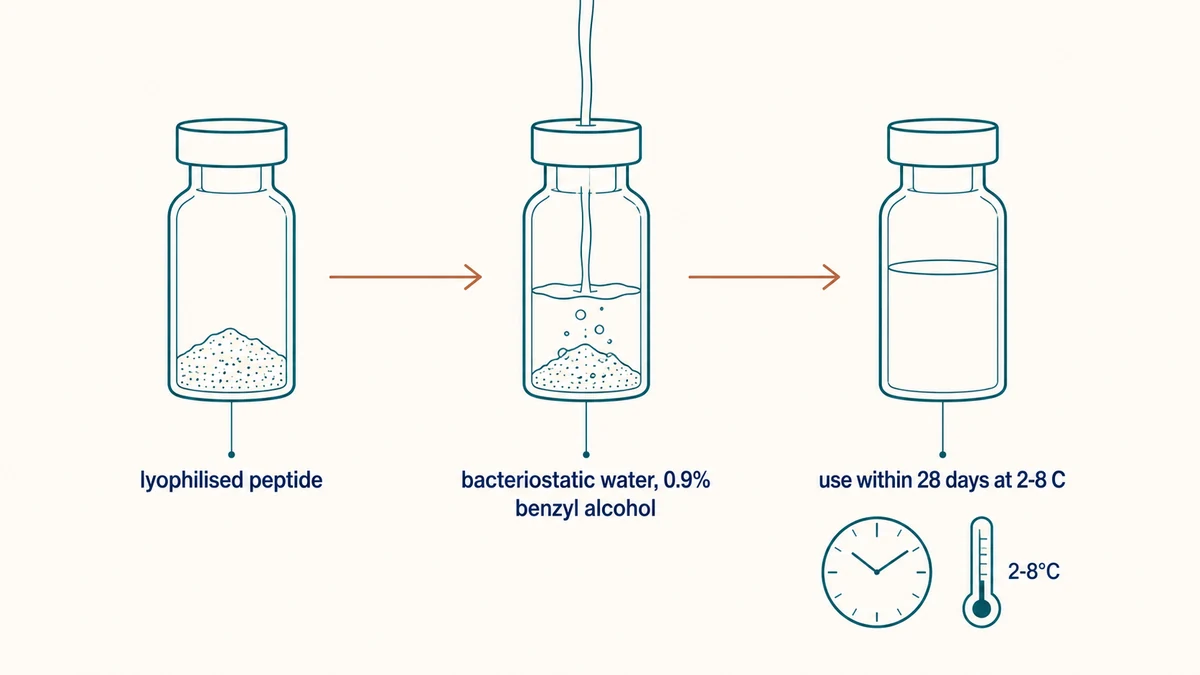
Bacteriostatic Water (preferred): Contains 0.9% benzyl alcohol, which prevents bacterial growth. Allows reconstituted solution to remain stable for 28-30 days refrigerated.
Sterile Water: Suitable for same-day use but doesn't prevent contamination over time. Must be used within 24-48 hours.
Reconstitution technique: 1. Clean vial top with alcohol swab 2. Draw appropriate volume of bacteriostatic water 3. Slowly inject down the side of the vial (not directly onto powder) 4. Gently swirl to dissolve; do NOT shake vigorously 5. Let stand 2-3 minutes if cloudiness persists 6. Refrigerate immediately after reconstitution
Reconstituted Solution Storage
Once mixed with bacteriostatic water, peptides have limited shelf life:
Refrigerated (2-8°C): 14-30 days for most peptides Frozen (-20°C): Extended storage possible but avoid freeze-thaw cycles Room temperature: NOT recommended; degradation accelerates significantly
For extended storage of reconstituted solutions: - Divide into single-use aliquots before freezing - Use cryogenic vials designed for freezer storage - Thaw only once; discard any unused portion after thawing - Never refreeze previously frozen solution
Pre-Mixed Research Formulations
Modern peptide delivery systems like pre-mixed formulations offer convenience but require specific handling:
MSSPT (Multi-Solvent Stabilizing Peptide Technology) and similar formulations improve room-temperature stability. However, refrigeration (2-8°C) remains ideal:
- Keep vials refrigerated when not in use
- Bring to room temperature 10-15 minutes before research application for optimal handling
- Protect from direct light
- Never freeze pre-mixed formulations
- Check for particulates or discoloration before each use
Most pre-mixed formulations remain stable for 28-30 days after first use when properly refrigerated.
Signs of Degradation
Monitor peptide solutions for degradation indicators:
Visual changes: - Cloudiness or particulate matter (should be clear) - Color change (most peptides are colorless to pale yellow) - Crystallization or precipitation
Functional changes: - Reduced effectiveness at usual concentrations - Unexpected side effects
If any degradation signs appear, discard the peptide and use fresh stock. Never attempt to use visibly degraded compounds.
Conclusion
Proper storage and handling protocols are essential for maintaining peptide potency and ensuring reliable research outcomes. While modern formulations improve stability, consistent refrigeration, sterile technique, and attention to expiration timeframes remain critical.
Investing in proper storage equipment, a dedicated peptide refrigerator, bacteriostatic water, and sterile supplies-pays dividends in research quality and safety. When in doubt, err on the side of caution: proper cold chain maintenance preserves your research investment.
Scientific References
- Manning MC, et al. Stability of Protein Pharmaceuticals: An Update. Pharm Res. 2010;27(4):544-575. PMID: 20143256[PubMed Reference]
- Wang W. Instability, stabilization, and formulation of liquid protein pharmaceuticals. Int J Pharm. 1999;185(2):129-188. PMID: 10460913[PubMed Reference]
Related Research Peptides
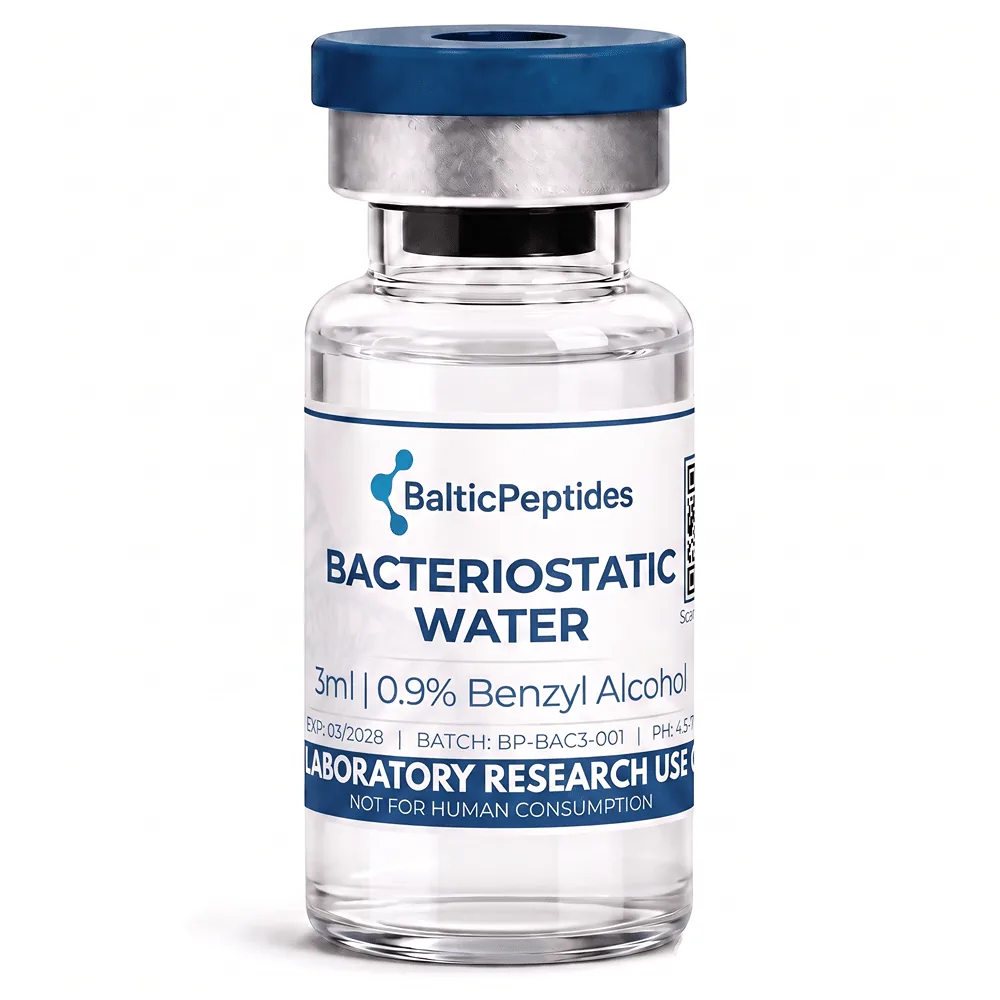
Bacteriostatic Water
Sodium Chloride 0.9%