BPC-157 + TB-500 Synergy Explained
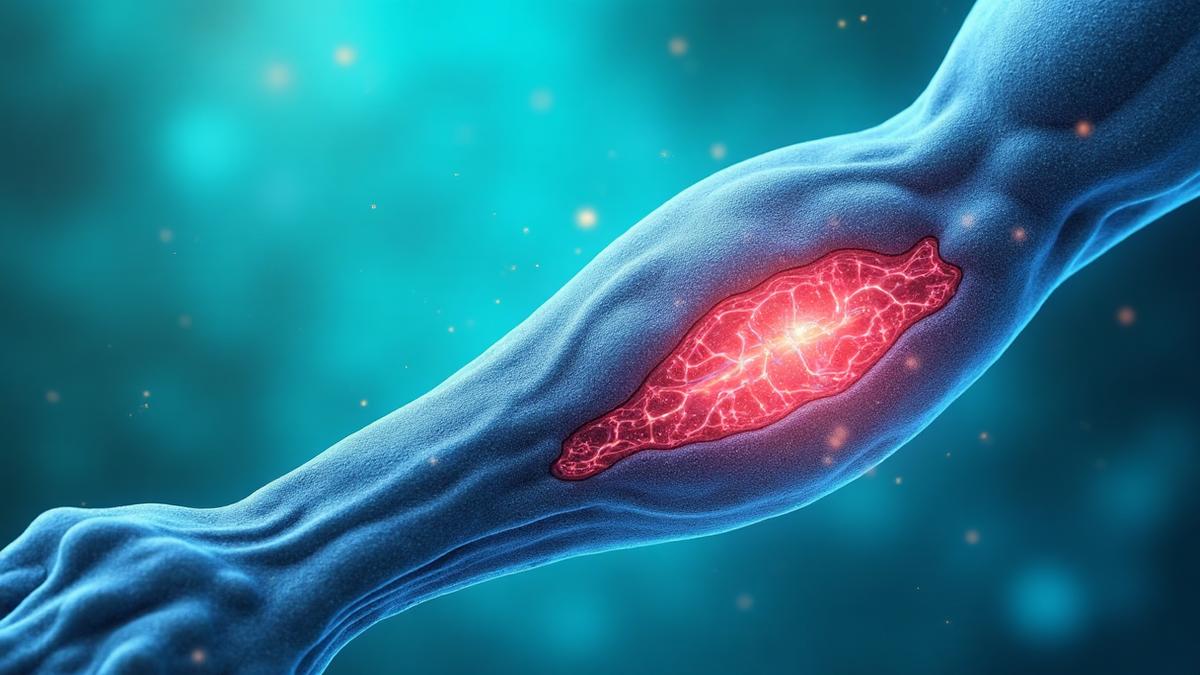
Among researchers investigating tissue repair and recovery, the combination of BPC-157 and TB-500 has become remarkably popular. While each peptide demonstrates healing properties independently, their complementary mechanisms suggest synergistic potential.
This article analyzes why these specific peptides are frequently stacked and examines the scientific rationale behind their combined use.
BPC-157: The Gastric Protector
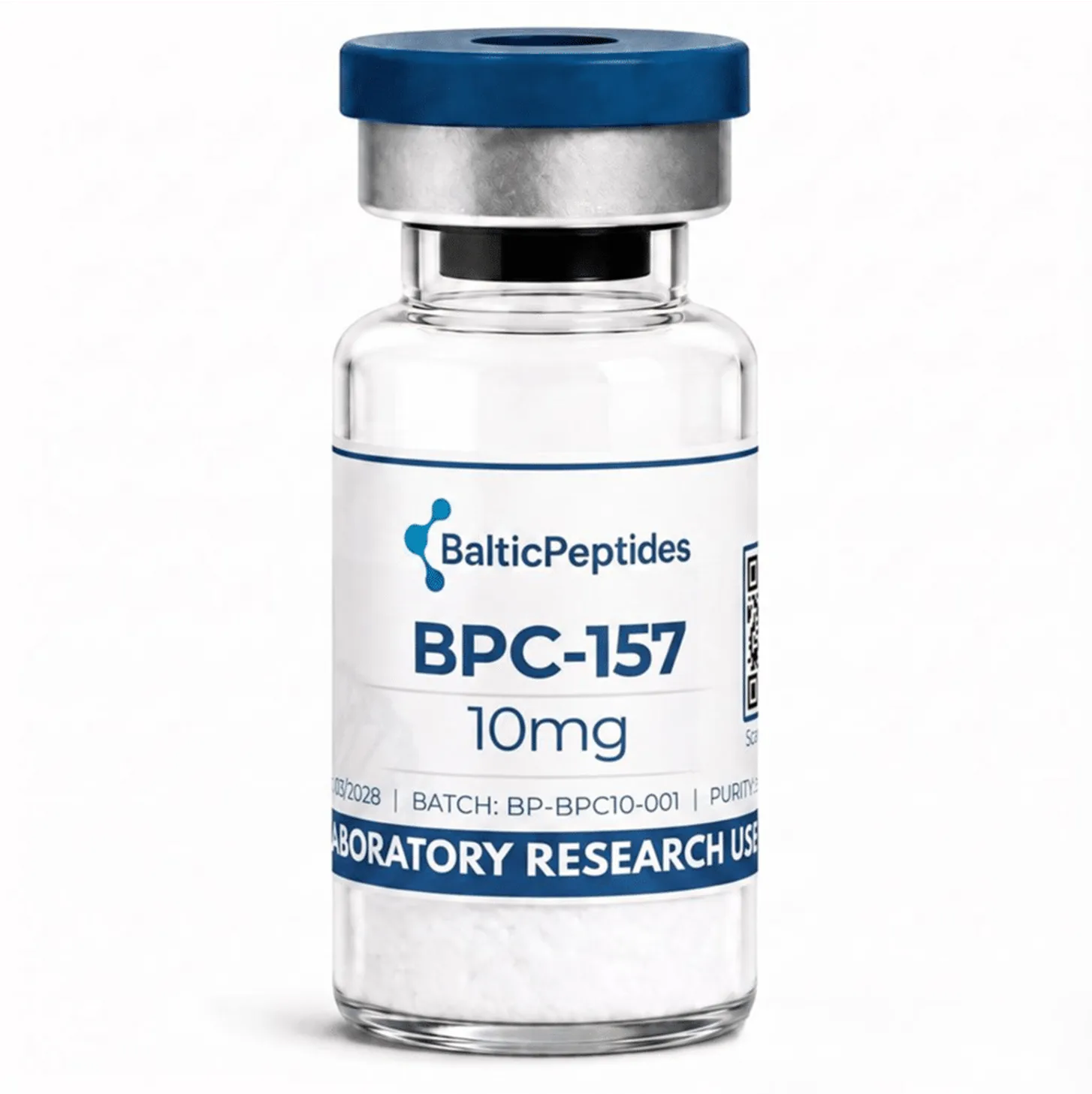
As detailed in our comprehensive BPC-157 article, this pentadecapeptide promotes healing through angiogenesis, growth factor receptor modulation, and nitric oxide pathway regulation. Its effects are particularly pronounced in connective tissue-tendons, ligaments, and muscle.
BPC-157's strength lies in its ability to stimulate blood vessel formation and enhance growth factor receptor expression at injury sites.
TB-500: Thymosin Beta-4 Fragment
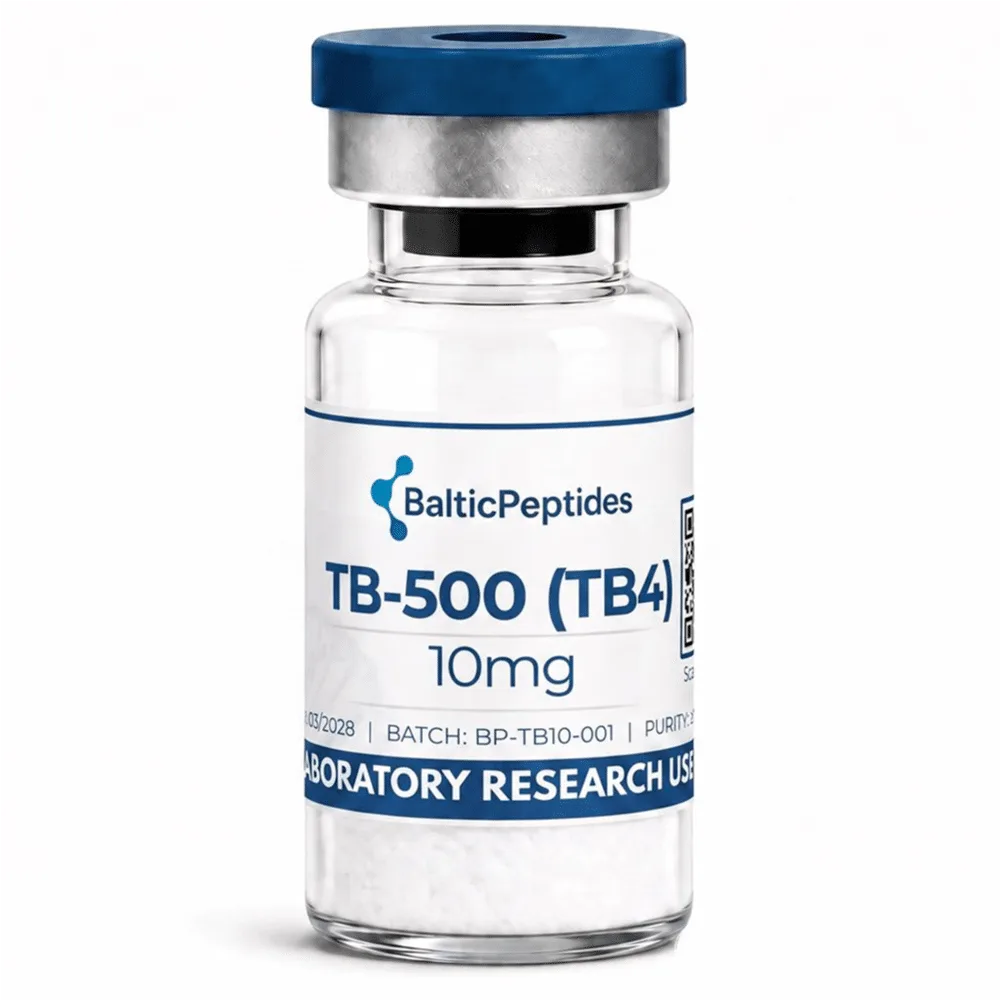
TB-500 is a synthetic version of Thymosin Beta-4, a 43-amino acid peptide found throughout the body. TB-500 typically refers to a 7-amino acid fragment that retains the parent molecule's healing properties.
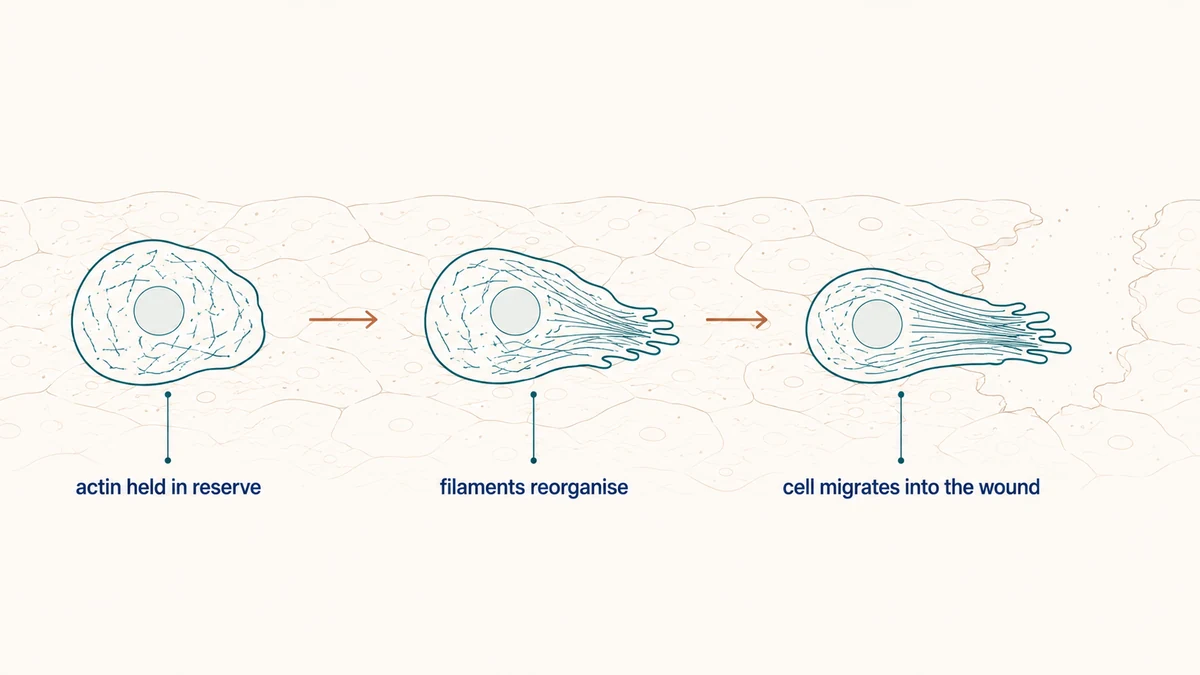
TB-500 works primarily through actin regulation. Actin is a protein crucial for cell movement, wound healing, and tissue repair. By binding to actin, TB-500 promotes cell migration to injury sites and supports new tissue formation.
Complementary Mechanisms
The rationale for combining BPC-157 and TB-500 becomes clear when examining their distinct but complementary actions:
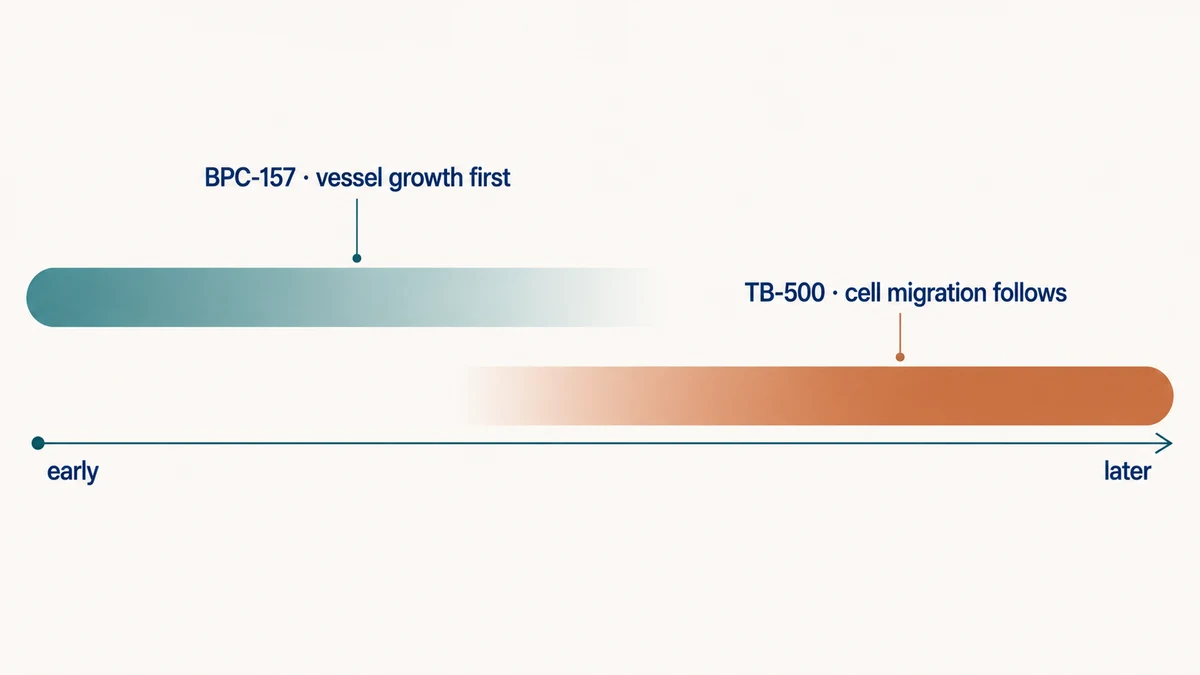
BPC-157: Building the Infrastructure
BPC-157 excels at establishing the vascular framework necessary for healing. Its promotion of angiogenesis ensures adequate blood supply to damaged tissue, delivering oxygen and nutrients essential for repair.
TB-500: Mobilizing the Workers
TB-500's actin-binding properties facilitate cell migration. This means healing cells (fibroblasts, stem cells, immune cells) can more efficiently reach injury sites. The combination creates an environment where both infrastructure (blood vessels) and cellular resources converge at damaged tissue.
Reduced Inflammation
Both peptides demonstrate anti-inflammatory properties through different pathways. BPC-157 modulates nitric oxide signaling, while TB-500 regulates inflammatory cytokine production. Their combined effect may provide superior inflammation control compared to either alone.
Research Evidence for Combination Use
While no published studies directly compare BPC-157 + TB-500 combination versus individual use, the theoretical synergy aligns with observed outcomes in research applications.
Anecdotal reports from researchers consistently describe enhanced healing rates when stacking these peptides, particularly for injuries involving both connective tissue and muscle. The combination appears especially beneficial for complex injuries where multiple tissue types require repair simultaneously.
Practical Stacking Protocols
Common research protocols for BPC-157 + TB-500 combination:
BPC-157: 250-500 mcg daily TB-500: 2-5mg weekly (or 750mcg 2-3x weekly)
Both peptides can be applied systemically (targeted lab) or locally near injury sites. Some researchers prefer local application methodology for targeted effects, while others use systemic application for broader tissue support.
Duration typically ranges from 4-8 weeks, depending on injury severity and healing response. The peptides can be applied simultaneously or at different times. No evidence suggests timing matters significantly.
Safety Considerations
Both peptides individually demonstrate excellent safety profiles. No known negative interactions exist between BPC-157 and TB-500, making their combination low-risk.
Mild side effects may include temporary fatigue or headache, though these are uncommon. No serious adverse events have been documented in research applications.
As with all peptide research, verify product purity through third-party testing. Impurities or degraded peptides may reduce efficacy or cause unwanted effects.
Conclusion
The BPC-157 + TB-500 stack represents a logical combination based on complementary mechanisms of action. BPC-157's vascular and growth factor effects pair synergistically with TB-500's cell migration and actin regulation.
While direct comparative trials would strengthen the evidence base, the theoretical rationale and consistent anecdotal support make this combination a staple in tissue repair research. For investigators studying recovery and regeneration, the BPC-157/TB-500 stack offers a multi-faceted approach to healing enhancement.
Source this peptide for your research
Order BPC-157 at Baltic PeptidesScientific References
- Seiwerth S, et al. BPC 157 and standard angiogenic growth factors. Curr Pharm Des. 2018;24(18):1972-1989
- Goldstein AL, et al. Thymosin β4: a multi-functional regenerative peptide. Expert Opin Biol Ther. 2012;12(1):37-51. PMID: 22074294[PubMed Reference]
- Sosne G, et al. Thymosin beta 4 promotes corneal wound healing and modulates inflammatory mediators in vivo. Exp Eye Res. 2001;72(5):605-608. PMID: 11311052[PubMed Reference]
Related Research Peptides
BPC-157
TB-500